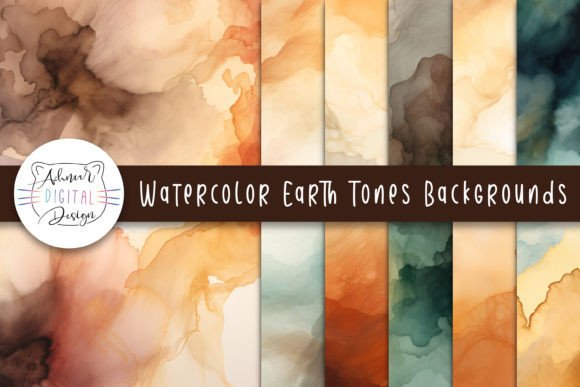
Watercolor Earth Tones Backgrounds for Natural Design
In a world saturated with high-gloss digital aesthetics, there's a growing hunger for authenticity and warmth. This is where Watercolor Earth Tones Backgrounds come into play, offering a sophisticated yet organic foundation for countless creative projects. This collection isn't just another set of textures; it's a toolkit for designers, entrepreneurs, and creators who want to infuse their work with a sense of grounded, natural elegance. The palette—rooted in terracotta, ochre, sage, clay, and warm grays—evokes the quiet beauty of natural landscapes and handmade artistry. It’s a style that feels both timeless and contemporary, capable of adding depth and personality without overwhelming your primary content.
The Visual Character of These Organic Textures
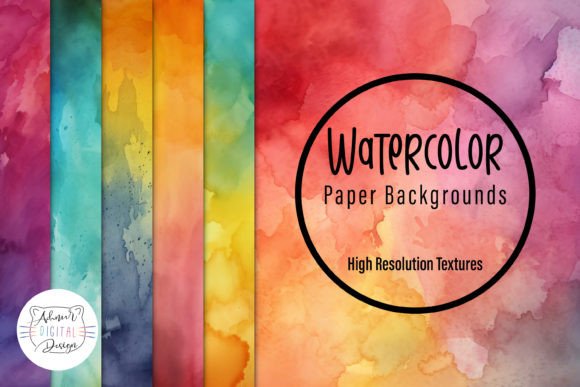
At its core, the appeal of these Watercolor Earth Tones Backgrounds lies in their inherent imperfection and subtle variation. Unlike flat, digital colors, each background carries the delicate bleed and granulation characteristic of real watercolor paint on paper. You’ll notice soft, feathery edges where colors blend, occasional pooling of pigment, and a beautiful, tactile quality that mimics handmade art. The earth tone palette itself is a masterclass in versatility. It’s warm without being loud, neutral without being boring. These backgrounds provide a premium font or a crisp logo with a stage that feels both refined and approachable. They are the visual equivalent of a warm linen shirt or a hand-thrown ceramic mug—comfortable, high-quality, and inherently stylish. This makes them perfect as a backdrop for a display font in a hero image or as a subtle texture behind body copy in editorial design.
Practical Applications for Designers and Creators
Understanding where to deploy these assets is key to maximizing their value. Their strength is in their ability to add visual interest and a cohesive mood. Consider these practical uses:
- Brand Identity & Logo Design: Use a textured background behind a clean, sans serif font or a elegant serif font for a logo that needs to communicate craftsmanship, sustainability, or boutique quality. It works beautifully for brands in wellness, organic goods, interior design, or artisanal food.
- Digital & Web Design: These backgrounds are excellent for website hero sections, blog post featured images, or as a textured layer in social media graphics. They provide a rich, engaging canvas that makes text and graphic elements pop, improving visual hierarchy and audience engagement.
- Print & Packaging: For packaging design, book covers, or wedding stationery, the 300 DPI resolution ensures crisp, professional results. A watercolor earth tone background can soften the look of a modern typography layout, making it feel more personal and less corporate.
- Content Creation: Bloggers, podcasters, and course creators can use these as consistent background elements for quote graphics, presentation slides, or thumbnail images. This builds brand recognition and a recognizable aesthetic across platforms.
When pairing fonts, think about contrast. A bold, geometric sans serif font will stand out sharply against the soft, organic texture. A flowing script font or handwritten font can create a harmonious, cohesive look, perfect for a romantic or whimsical project. The key is to test your chosen typeface on the background to ensure readability. The texture should enhance, not compete with, your message.
Integrating Backgrounds into Your Workflow
Effective use of any design asset requires a bit of strategy. Here’s how to approach this collection:
- Evaluate the Project Fit: Ask yourself if the project’s mood aligns with warmth, nature, and authenticity. These backgrounds are not ideal for a tech startup aiming for a cold, futuristic look, but they are perfect for a yoga studio, a bakery, or a personal blog.
- Test with Your Core Elements: Before committing, place your primary text, logo, or imagery over a few different options from the set. Check the contrast and ensure your creative font remains legible, especially at smaller sizes for web or print body copy.
- Consider the Composition: Use the background’s natural focal points. A area with more pigment saturation can anchor a headline, while a lighter, more washed-out section might be ideal for placing dense text blocks. This thoughtful use enhances visual hierarchy.
- Check Licensing for Commercial Use: The provided files are for your creative projects. Always review the specific license to ensure it covers your intended use, whether for client work, products for sale, or digital downloads. This due diligence is part of maintaining professionalism.
The inclusion of six distinct files in this collection offers valuable flexibility. You’re not locked into a single look. You can use one background consistently across a brand’s materials for consistency, or select different ones from the set to represent various product lines or content themes while maintaining a cohesive brand identity. This variety is a practical advantage, allowing you to adapt the core aesthetic to different needs without straying from your established visual language.
Ultimately, Watercolor Earth Tones Backgrounds are more than just pretty pictures. They are a strategic tool for communication. They help bridge the gap between digital precision and human touch, making designs feel more relatable and trustworthy. In an era where authenticity is currency, these backgrounds provide a direct way to imbue your projects with a sense of realness, care, and timeless style. Whether you’re crafting a brand identity, designing a social media campaign, or laying out a digital publication, this set offers a versatile foundation to build upon.