Soft Green and Orange Grainy Backgrounds: A Design Game-Changer
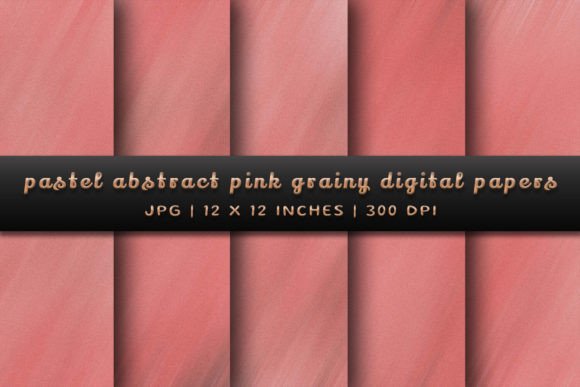
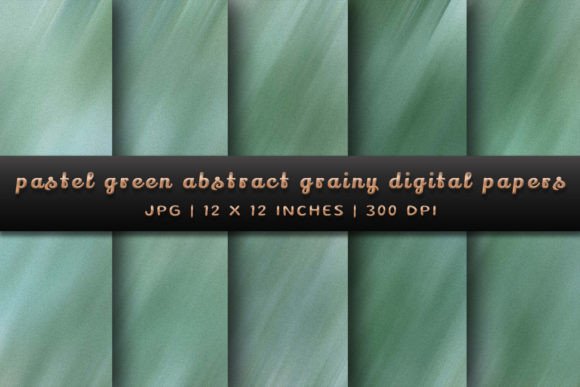
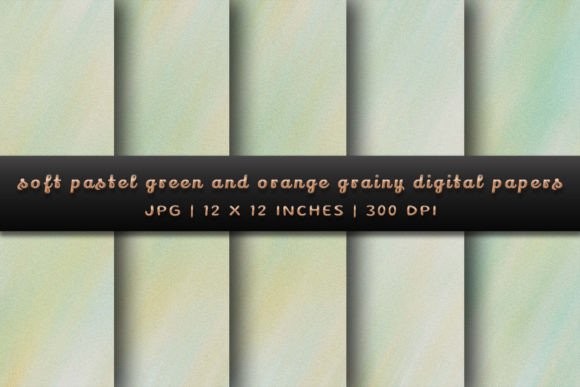
There's a certain magic that happens when you pair a serene, earthy tone with a vibrant, energetic one. It creates a visual conversation that's both calming and invigorating. That's the core appeal of our Soft Green and Orange Grainy Digital Papers. This isn't just another set of textures; it's a carefully crafted collection designed to bring a unique, tactile quality to your work. The gentle pastel green provides a foundation of tranquility and growth, while the soft orange injects warmth, creativity, and a subtle pop of energy. The grainy pattern ties it all together, adding a layer of organic, handmade charm that digital work often lacks.
Understanding the Visual Personality and Style
Think of these backgrounds as the perfect supporting actor in your design story. The pastel green isn't a loud, neon shade. It's a muted, sophisticated hue reminiscent of sage, eucalyptus, or a quiet morning mist. The orange, similarly, is softened—a peachy, terracotta-like tone that feels warm and inviting without being overwhelming. The grainy texture is key. It breaks up the flatness of digital color, introducing a subtle, paper-like or stone-like quality. This texture adds depth, prevents designs from feeling sterile, and gives a nod to analog processes like letterpress or risograph printing. The overall style is modern yet timeless, organic yet clean. It strikes a balance between digital precision and human touch, making it incredibly versatile.
Where These Textures Truly Shine
The true strength of a design asset lies in its application. These Soft Green and Orange Grainy Backgrounds are built for real-world use across a spectrum of projects. For brand identity work, they offer an exceptional base for logos, business cards, and brand guidelines, especially for businesses in wellness, lifestyle, eco-friendly products, artisanal goods, or creative consultancies. The colors communicate growth, warmth, and approachability. In editorial design, they transform magazine layouts, book covers, and report covers into visually engaging pieces. The texture ensures text remains highly readable, especially when using a clean sans serif font or a classic serif font.
For packaging design, this combination is a standout. Imagine a skincare line or a gourmet food product wrapped in a subtle grainy green, accented with orange typography. It immediately signals quality and care. In the digital realm, they are perfect for web design hero sections, blog headers, and social media templates. A social media graphic featuring these textures will stop the scroll, offering a refreshing break from overly saturated feeds. They are also ideal for creating cohesive digital papers for planners, journals, and invitations. The sublimation-ready nature means crafters can transfer these patterns onto physical products like mugs, t-shirts, and tote bags with stunning clarity.
Practical Guidance for Implementation
Choosing the right background is only half the battle; using it effectively is what elevates your work. Here’s how to integrate these textures with confidence.
- Font Pairing is Crucial: The grainy texture has character, so pair it with typefaces that complement rather than compete. A geometric sans serif font like Montserrat or Lato provides a clean, modern counterpoint. For a more elegant or traditional feel, a transitional serif font like Garamond or Freight Text works beautifully. Avoid highly ornate script fonts or handwritten fonts for large blocks of text, as they can become difficult to read against the texture. Use such creative fonts sparingly for headlines or accents.
- Evaluate Project Fit: Ask yourself what mood you need to convey. This palette is perfect for projects that aim to feel authentic, calming, creative, and grounded. It might be less suitable for a corporate finance report or a high-tech automotive brand, where cooler, sharper tones are often preferred. Always test the background with your core content elements—your logo, key images, and primary text—to ensure harmony.
- Leverage for Visual Hierarchy: Use the textured background to create a focal point. Place your most important call-to-action or headline text in a solid-color box or on a lighter section of the background to ensure maximum readability and impact. The texture naturally guides the eye, so use it to frame critical information.
- Consider the Technical Specs: The 12x12 inch, 300 DPI high-resolution JPG files are print-ready, eliminating guesswork for physical projects. For digital use, you can easily scale and crop them. Remember, all files are delivered in a single ZIP file, so you’ll need to extract them before use. This keeps your download organized and your files safe.
Real-World Application Example
Consider a small business owner launching a line of handmade ceramics. Their brand identity needs to feel artisanal, warm, and connected to nature. Using a Soft Green and Orange Grainy Background for their website banner sets the tone immediately. They can use the same texture on their product hang tags, printed on a premium matte cardstock. For their Instagram stories, they overlay the texture with simple white text in a modern typography style to announce a new collection. This consistent use of a unique texture across all touchpoints builds a cohesive, professional, and instantly recognizable brand presence that resonates with their target audience.
Ultimately, these digital papers are more than just fillers. They are a strategic design asset. By understanding their visual personality and applying them thoughtfully, you can infuse your projects with a level of sophistication and tactile depth that sets your work apart. They solve the common digital design problem of flatness, offering a solution that is both beautiful and functionally robust for a wide range of creative endeavors.