Elevate Your Designs with Pastel Green Abstract Grainy Backgrounds
A Breath of Fresh Air for Your Digital Toolkit
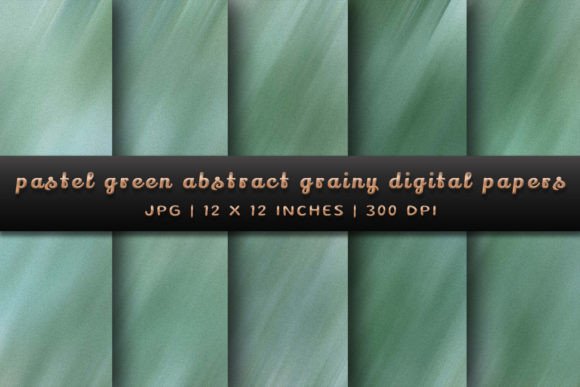
There’s a certain quiet confidence in a design that doesn’t need to shout. It draws you in with subtle texture and a calming presence. That’s the immediate feeling you get when working with Pastel Green Abstract Grainy Backgrounds. These aren’t just flat, digital sheets of color. They’re digital papers with a distinct personality—a soft, serene green base infused with an organic, grainy texture that adds depth and a tactile quality to any project. The abstract nature of the grain means no two areas look exactly alike, creating visual interest without overwhelming the focal point of your work.
Think of it as the design equivalent of a sun-bleached linen shirt or the texture of handmade paper. It feels authentic, modern, and incredibly versatile. The pastel green hue itself is a masterclass in balance. It’s fresh and revitalizing, suggesting growth and tranquility, but its muted, grainy treatment keeps it grounded and sophisticated. This combination makes it a powerful asset for projects that aim to feel both contemporary and timeless, approachable yet professional.
Where This Texture Truly Shines: Practical Applications
The true test of any design asset is how it performs in the real world. These backgrounds are workhorses for a surprising range of projects. For brand identity work, they can form the bedrock of a visual system. Imagine a small business owner in the wellness, eco-friendly, or artisan food space using this texture as a website hero background, a social media profile backdrop, or the fill for a logo shape. It instantly communicates a brand personality that is natural, calm, and trustworthy, without a single word of copy.
In editorial design and publishing, these papers solve a common problem: how to add visual richness to layouts without distracting from the text or imagery. They are perfect for:
- Digital magazines and e-book covers: Providing a cohesive, elegant background that sets the mood.
- Presentation slides: Replacing sterile white or busy gradients with a textured, professional slide background that keeps charts and text readable.
- Blog headers and quote graphics: Creating a consistent, branded look for a content creator or blogger, enhancing recognition across platforms.
For crafters and those in packaging design, the application is even more direct. The 12x12 inch, 300 DPI specifications are tailor-made for sublimation and print-on-demand projects. This texture can be printed onto stationery, journal covers, tote bags, or product sleeves, giving physical goods a premium, handcrafted feel. The graininess translates beautifully to print, avoiding the flat, digital look that can sometimes plague printed designs.
Integrating Texture into Your Design Workflow
Adopting a new design asset like this is about more than just slapping it onto a canvas. To use it effectively, consider its role in your visual hierarchy. Because of its texture, it generally works best as a supporting element. Pair it with clean, sans serif fonts for body text to ensure maximum readability. A strong, geometric sans serif can create a beautiful contrast against the organic, soft background. For headlines, you might opt for a serif font with a bit of weight or a modern typography style to anchor the design with authority.
Think about the mood you’re building. The serene quality of Pastel Green Abstract Grainy Backgrounds lends itself exceptionally well to projects related to wellness, sustainability, mindfulness, education, and creative arts. It’s a color and texture that speaks to a certain demographic—adults who appreciate subtlety, quality, and design that feels considered. For a small business owner creating an Instagram story series or a marketer designing an email banner, this background can become a signature element that builds audience recognition and conveys a consistent brand message of thoughtful, quality-focused work.
When evaluating if this is the right fit for your project, run a simple test. Place your core content—your logo, your headline text, your key image—on top of one of the papers. Does the texture enhance the content or compete with it? The goal is for the background to provide a supportive stage, not steal the show. The abstract grain is subtle enough that, with proper contrast and spacing, it should elevate your main elements, making them feel more grounded and intentional within the composition. This careful integration is what separates generic use from truly effective, professional design work.