Animal in Flower Backgrounds for Covers
Understanding the Visual Language of Nature-Inspired Art
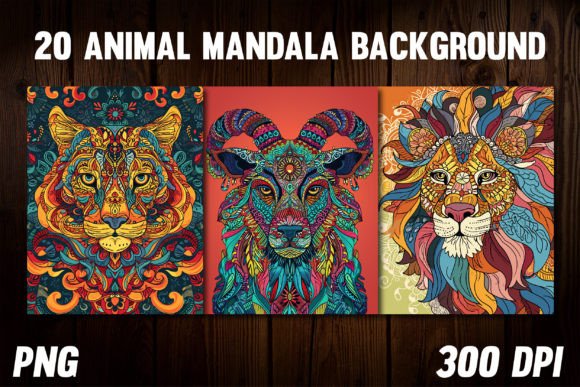
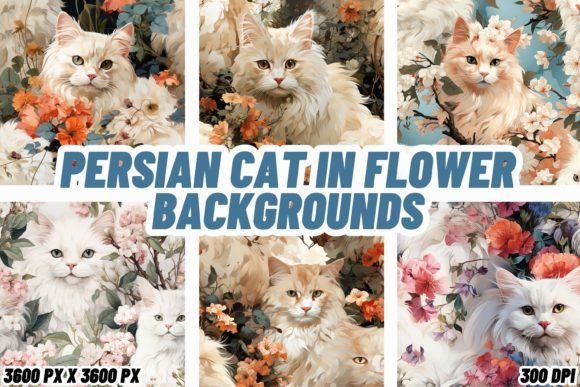
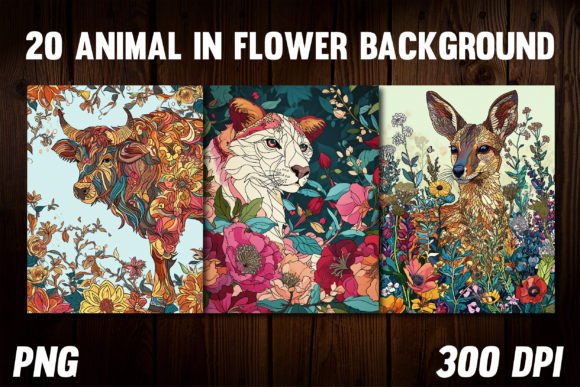
There's an immediate emotional resonance when you see an animal perfectly framed by botanical elements. It’s not just a pretty picture; it’s a visual metaphor for harmony, growth, and organic beauty. When we talk about Animal in Flower Backgrounds for Covers, we are discussing a specific category of design assets that serves as a bridge between the wild and the cultivated. Think of the texture of a fox’s fur against the soft, watercolor wash of peonies, or the sharp geometry of a deer’s antlers intertwining with climbing roses. This style isn't about photorealism alone; it is often about stylization—how a handwritten font or script font might feel if it were an image.
For a designer, these backgrounds offer a rich tapestry of visual cues. The "personality" of these assets leans heavily toward the whimsical, the romantic, and the serene. However, depending on the specific illustration style—whether it’s a vintage engraving look, a modern flat vector, or a lush digital painting—the vibe can shift dramatically. A dark, moody floral background with a nocturnal animal might suit a mystery novel cover, while a bright, airy composition with a hummingbird works perfectly for a wellness blog header. This versatility makes them a premium font equivalent in the world of imagery; they are high-value assets that immediately elevate a project's perceived quality.
Strategic Applications: From Amazon KDP to Brand Identity
If you are working within the Amazon KDP ecosystem, you know that standing out is half the battle. Animal in Flower Backgrounds for Covers are particularly effective here because they offer a complete visual narrative without needing complex typography. Imagine a coloring book cover: the background does the heavy lifting, providing the intricate line work that promises value to the buyer. The interplay between the animal subject and the floral borders creates a natural frame for your title typography, whether you choose a bold serif font or a delicate sans serif font.
Beyond publishing, consider the application in brand identity. For small business owners in the beauty, skincare, or lifestyle sectors, these backgrounds are gold. They can be used to create cohesive social media graphics that tell a story of natural ingredients or organic processes. When you place a logo over a consistent set of these backgrounds, you create a recognizable visual signature. It’s similar to how a specific typeface defines a brand’s voice—these images define its aesthetic environment. They work exceptionally well for:
- Editorial Design: Feature articles on sustainability or wildlife conservation.
- Packaging Design: Artisanal goods, tea packaging, or candle labels.
- Web Design: Hero images for landing pages that need an immediate emotional connection.
- Personal Projects: Custom stationery, wedding invitations, or scrapbooking.
The Technical Side: Evaluating Quality and Fit
Not all digital assets are created equal. When selecting Animal in Flower Backgrounds for Covers, you need to evaluate them with the same critical eye you would use for a creative font. First, look at the resolution. A high-resolution image is non-negotiable for print work, specifically for KDP or packaging design. If the pixels blur when you zoom in, the asset will compromise your project's professionalism. Second, analyze the composition. Is there "negative space"? You need areas where text can breathe. A background that is too busy will clash with your typography, regardless of whether you use a display font or a standard body copy style.
Color theory plays a massive role here as well. The color palette of the background needs to harmonize with your brand identity. If your brand uses earthy tones, a neon-colored floral background will feel dissonant. Look for assets that offer a balance of light and dark areas to ensure readability. For instance, if you are overlaying light text, the background needs darker foliage or shadows to provide contrast. This is where the concept of visual hierarchy comes in—the background should support the message, not compete with it.
Pairing and Integration: Making It Work
The real magic happens when you treat these backgrounds as part of a larger system. Think of them as the "environment" in which your modern typography lives. If you are using a highly detailed, vintage-style floral background, pair it with a clean, geometric sans serif font. The contrast between the organic, chaotic nature of the flowers and the structured, mathematical precision of the font creates a sophisticated tension that looks professional. Conversely, if the background is minimalist—perhaps simple line art—you might get away with a more decorative script font.
For digital creators, the flexibility of these assets is a massive advantage. Because they are often sold as instant downloads, you can iterate quickly. Test different backgrounds with your layouts. See how the image affects the mood of your presentation or social post. Does it make the brand feel more approachable? More luxurious? This kind of rapid prototyping is essential in today's fast-paced content environment. Ultimately, using Animal in Flower Backgrounds for Covers is about curating an experience. It’s about moving beyond generic stock photos and choosing imagery that possesses character, depth, and a story—much like finding that perfect, one-of-a-kind typeface that finally makes your design click.