20 White Wood Backgrounds: A Rustic Digital Canvas
Let's be honest: most digital backdrops are forgettable. They're either sterile gradients or overly busy textures that fight for attention. That's precisely why a collection like 20 White Wood Backgrounds stands out. It isn't just a set of images; it's a toolkit for injecting organic warmth and sophisticated simplicity into any project. Think of it as the digital equivalent of a beautifully aged plank of wood—full of character, yet quietly supportive.
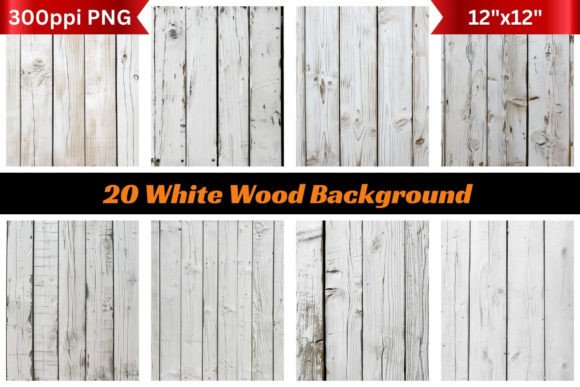
At its core, this is a collection of high-resolution digital downloads. Each background captures the realistic wood texture of weathered, whitewashed timber. You'll see the subtle grain, the gentle knots, and the soft variations in tone that make natural materials so compelling. The personality here is one of rustic elegance. It's clean without being cold, and textured without being chaotic. This balance makes it a remarkably versatile design asset. Whether you're crafting a social media graphic for a boutique hotel or designing a product label for artisanal goods, these backgrounds provide a foundation of authenticity.
Where Rustic Charm Meets Modern Design Needs
The true value of 20 White Wood Backgrounds reveals itself in application. For brand identity work, especially for businesses in the wellness, lifestyle, home décor, or food and beverage sectors, this texture is a silent storyteller. It communicates handcrafted quality, transparency, and a connection to natural elements. Use it behind a clean sans serif font for a modern farmhouse aesthetic, or pair it with a delicate script font for a wedding invitation suite. The neutral palette ensures your typography and other design assets remain the heroes.
In web design, a white wood background can transform a hero section or a blog sidebar from mundane to memorable. It adds visual interest and depth without compromising readability. For packaging design, imagine this texture as the backdrop for a logo or product information on a candle box or a coffee bag—it instantly elevates the perceived value. Content creators and bloggers will find it invaluable for creating cohesive Pinterest pins, YouTube thumbnails, or Instagram story backgrounds that feel intentional and polished.
The Practical Guide to Using Textured Backgrounds Effectively
Choosing the right background from the collection is the first step. Scan the 20 options for the intensity of the grain and the warmth of the white. Some may have a cooler, bleached tone, while others lean warmer with hints of gray or beige. Consider your project's existing color palette. Next, evaluate the visual hierarchy. A textured background should recede, not compete. Ensure there is sufficient contrast between your background and foreground text or graphics. Test your font pairing directly on the background—a bold, modern typeface will hold its own, while a very light, thin serif font might get lost.
Always review the included styles and file formats. High-resolution JPEGs or PNGs are standard, but check if the collection offers variations in perspective or lighting. For commercial projects, verify the commercial font license or, in this case, the license for the digital backgrounds to ensure it covers your intended use, whether for client work or product sales. A quick tip: apply a very subtle overlay of pure white at a low opacity over the wood texture if you need to soften it further for legibility. This maintains the texture's integrity while creating a safer zone for critical text. Ultimately, the goal of using 20 White Wood Backgrounds is to add a layer of tactile reality to the digital space, making your designs feel more grounded, thoughtful, and human.