Elevate Your Projects with Conceptual Drawings Backgrounds
Every creative professional knows the feeling of hitting a wall. You have a solid concept, a clear message, but the visual foundation feels generic or uninspired. The search for the right background—a texture, a pattern, a visual element that doesn't scream "stock"—is a common challenge. This is where a resource like the Conceptual Drawings Backgrounds set enters the conversation. It’s not a font, but a collection of high-quality, versatile design assets that function with the same strategic importance as a carefully chosen typeface.
Understanding the Visual Language of Conceptual Drawings
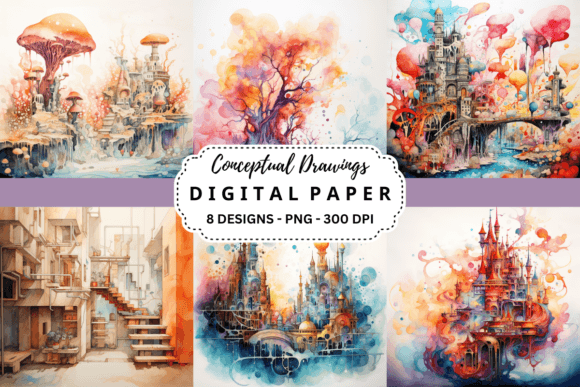
These aren't your standard, sterile digital patterns. Conceptual Drawings Backgrounds carry the distinct personality of hand-drawn, organic artwork. Think of the subtle imperfections of a pencil line, the layered depth of ink washes, or the textured grain of charcoal on paper. Each of the eight individual PNG files in this set offers a unique composition, likely featuring abstract forms, gestural marks, and nuanced shading. The overall aesthetic is sophisticated yet approachable, blending artistic authenticity with a clean, modern sensibility. This style avoids the coldness of perfect vector graphics, instead offering warmth and a tactile quality that invites the viewer in.
Where These Backgrounds Truly Shine
The strength of such assets lies in their adaptability. In brand identity work, these backgrounds can become a signature element. Imagine them as the textured backdrop for a logo on a business card, providing depth without competing for attention. For a boutique coffee roaster or an artisanal skincare line, the hand-drawn quality aligns perfectly with a brand story centered on craft and care.
In the realm of editorial design and publishing, they solve the problem of creating visually engaging layouts. Use them as the foundation for a magazine feature opener, a chapter title page in a book, or the background of a quote card in a blog post. They add editorial polish without requiring custom illustration for every spread. For packaging design, they can transform a simple label into something that feels considered and premium, suggesting the product inside is made with equal attention to detail.
Practical Integration for Maximum Impact
Simply having great assets isn't enough; knowing how to use them is key. When incorporating Conceptual Drawings Backgrounds into a project, start by considering the hierarchy of your information. Because these textures are detailed, they work best as a supporting layer. Place bold, clear typography over them—this is where pairing with a strong sans serif font for headlines or a clean serif font for body text becomes crucial. The contrast between the organic background and the structured type creates a dynamic and readable composition.
For social media graphics, these backgrounds are invaluable. They instantly elevate a post from flat to textured, making it stand out in a crowded feed. They are perfect for quote images, promotional announcements, or story backgrounds where you need visual interest that doesn't overwhelm the message. Because each file is a high-resolution 3600x3600 pixel PNG at 300 DPI, they are robust enough for print on demand projects, from custom posters and invitations to wrapping paper and fabric prints, ensuring crisp output at any scale.
Evaluating Fit and Ensuring Cohesion
Before committing, always test an asset against your specific content. Place your actual text and key visual elements over the background. Does the texture create too much visual noise? If so, consider reducing its opacity or using a more minimal section of the file. Check the readability of your text from a distance—what looks good on screen might need a bolder font weight or a slight color overlay to work in print.
Think about font pairing as part of this evaluation. The artistic nature of these backgrounds pairs well with typefaces that have their own character. A handwritten font could create a cohesive, craftsman-like feel, while a modern display font with sharp geometry can create an exciting tension between the organic and the designed. Always review how the entire system—background, typography, and imagery—works together to tell your story.
Ultimately, resources like the Conceptual Drawings Backgrounds set are about expanding your creative toolkit. They provide a professional, high-quality starting point that can inspire new directions and save countless hours of searching or creating from scratch. By understanding their visual personality and applying them thoughtfully, you can add a layer of sophistication and authenticity to a wide array of projects, making your work not just seen, but felt.