Abstract Precision: Geometric Pattern Backgrounds for Covers
There’s a reason certain designs feel instantly trustworthy and professionally polished. It often comes down to the foundation—the background. In a crowded digital landscape, a well-chosen backdrop can communicate stability, creativity, and modernity before a single word is read. For creators, this isn’t just about decoration; it’s about setting the stage for a specific audience reaction. This is where the power of a thoughtfully crafted geometric pattern background comes into play, offering a versatile tool for visual storytelling.
The Anatomy of a Geometric Background
At its core, a geometric pattern background is built on the principles of shape, repetition, and structure. Think of the clean lines of a sans serif font translated into a visual field. The personality is one of order and intention. It can feel minimalist and serene with soft, repeating circles, or dynamic and energetic with sharp, overlapping triangles. The overall appeal lies in its ability to be both a subtle texture and a bold statement, depending on color palette and complexity. It’s a modern typography approach applied to the entire canvas, where the negative space is as considered as the filled space.
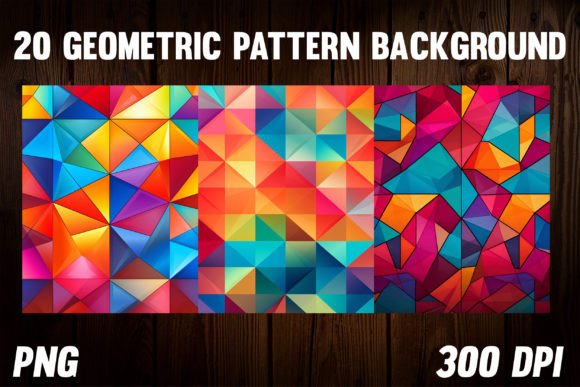
This style of background is a chameleon. Its strength is in its neutrality, allowing foreground elements to shine. A subtle, low-contrast hexagonal grid can add depth to a website header without competing with the logo design. A high-contrast, vibrant pattern of interlocking cubes can make a social media graphic pop in a fast-scrolling feed. It’s a foundational design asset that adapts to the project's tone, not the other way around.
Strategic Applications for Creative Professionals
Understanding where to deploy these backgrounds is key to unlocking their value. For entrepreneurs and small business owners, a consistent geometric pattern can become a recognizable part of a brand identity. Imagine using the same intricate tessellation on your business cards, your Instagram story templates, and your product packaging. This repetition builds visual consistency and professionalism, making your brand more memorable across different touchpoints.
For publishers and content creators, the application is equally practical. Amazon KDP creators know the struggle of meeting specific format requirements while maintaining visual appeal. Geometric pattern backgrounds designed for KDP are formatted to these specifications, providing a ready-made, professional solution for coloring book covers, journal interiors, or printable planner pages. The precision of the lines ensures clean printing, and the abstract nature leaves room for the user’s own creativity—whether they’re coloring within the lines or using the pattern as a subtle backdrop for their notes.
Digital artists and designers can treat these backgrounds as a starting point, not a finished product. Layer them with typography, blend them with photographic elements, or use them as a clipping mask for text. A intricate mosaic pattern can add incredible texture to a podcast cover art, while a simple grid can provide perfect alignment guides for a presentation slide. The key is to see the pattern as a flexible component within a larger design system, much like choosing a serif font for body text or a script font for a decorative headline.
Making the Right Choice: A Practical Guide
Not all geometric backgrounds are created equal, and selecting the right one requires a designer’s eye. Start by evaluating the project’s needs. Is the goal to feel corporate and reliable? Look for patterns with right angles and a muted, professional color scheme. Is it for a creative, youthful brand? Explore asymmetrical designs or those with a more organic, hand-drawn feel to the geometry.
Testing is non-negotiable. Before committing, overlay your primary text and graphic elements. How does the pattern interact with your chosen typeface? A busy, high-detail background will demand a bold, clean display font for readability. A simple, sparse pattern might pair beautifully with an elegant serif font. Always consider the visual hierarchy—the background should support the main message, not overwhelm it. Check the contrast ratios, especially for digital applications where accessibility matters.
Finally, scrutinize the package. A premium collection will offer more than just a single JPEG. Look for high-resolution files suitable for both print and digital, editable source files like AI or EPS for full customization, and a clear commercial license. This allows you to modify colors, scale the pattern without quality loss, and legally use the final designs in commercial products, whether that’s a client’s brand identity or a printable sold on Etsy.
Beyond Aesthetics: The Functional Impact
The influence of a geometric background extends beyond mere looks. It directly impacts audience engagement. A clean, organized pattern can subconsciously communicate clarity of thought and reliability, which is crucial for a consultant’s website or a financial advisor’s brochure. Conversely, a bold, chaotic pattern can evoke innovation and excitement, suitable for a tech startup or a music festival poster.
In packaging design, the texture of a geometric pattern can enhance the tactile experience even before the product is touched. On the web, it can guide the user’s eye along the implied lines of the grid, improving navigation and flow. For social media graphics, it provides a consistent visual anchor that helps your content stand out in a crowded timeline, increasing recognition and engagement.
The true power of Abstract Precision: Geometric Pattern Backgrounds lies in their ability to serve as a silent partner in your creative work. They provide the order, the texture, and the modern aesthetic foundation upon which you can build compelling narratives, strong brands, and beautiful products. By choosing and applying them with intention, you’re not just picking a pretty picture—you’re implementing a strategic design tool that elevates the professionalism and impact of every project it touches.