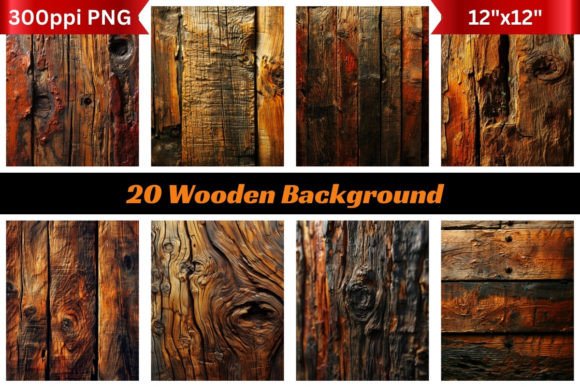
20 Wooden Backgrounds: Your Digital Toolkit for Organic Texture
There’s a specific challenge every designer and content creator faces: the screen feels cold. Whether you are building a brand identity for a local coffee shop or designing a digital scrapbook for a client, pixels often lack the tactile weight of the real world. We spend hours trying to make digital layouts feel "grounded." This is where the 20 Wooden Backgrounds collection steps in. It isn't just a folder of stock images; it is a bridge between the digital and the organic, offering a quick way to inject warmth, history, and structure into your work.
I’ve worked with hundreds of design assets over the years, and wood textures are notoriously difficult to get right. They often look flat, repetitive, or obviously fake. This collection, however, focuses on realism. We are talking about high-resolution captures that preserve the grain, the knots, and the imperfections that make wood such a compelling material. From the deep, rich tones of mahogany to the sun-bleached, rough-hewn look of weathered barn wood, these backgrounds provide a versatile foundation for almost any project.
The Psychology of Wood in Visual Design
When we talk about brand identity, we often discuss color palettes and typography, but texture plays a silent, powerful role. Wood implies stability, tradition, and nature. In packaging design, a subtle wood grain texture can suggest that a product is artisanal or handmade. In web design, using these backgrounds for hero sections or sidebars can break the sterile monotony of flat design, making a site feel more welcoming.
The beauty of the 20 Wooden Backgrounds pack is its range. You aren't limited to one mood. If you are designing a menu for a high-end steakhouse, the dark walnut textures provide a sense of luxury and depth. Conversely, if you are creating social media graphics for a sustainable lifestyle brand, the lighter pine or birch textures communicate freshness and eco-consciousness. It allows you to match the visual personality of the wood to the specific narrative you are trying to build.
Practical Applications: Beyond the Desktop Wallpaper
Let’s get practical. How do you actually use these files? The applications extend far beyond simple background filling. Here is how different professionals can leverage this collection:
- Graphic Designers & Brand Strategists: Use these textures as a base layer for logo mockups. Placing a logo design on a textured surface instantly creates a "lived-in" feel, which is essential for client presentations. It helps the client visualize the brand in the real world, not just on a white canvas.
- Content Creators & Marketers: In the fast-scrolling world of Instagram or TikTok, a generic white background gets ignored. A rustic wood texture adds visual weight to text overlays. It helps establish a visual hierarchy, ensuring your headline pops while the background remains interesting but not distracting.
- Publishers & Editorial Designers: For magazine covers, blog headers, or book covers, wood textures work beautifully as a grounding element. They pair exceptionally well with serif fonts for a classic look or clean sans serif fonts for a modern typography contrast.
- Hobbyists & Crafters: If you are into digital scrapbooking or creating printable wall art, these high-resolution files ensure your prints look sharp. You can use them as the backing for photos or as standalone art pieces with inspirational quotes overlaid.
Integrating Texture with Typography
One of the most common mistakes I see is pairing the wrong font with a textured background. Wood is busy; it has lines, grain, and movement. If you place a complex script font or a highly detailed handwritten font over a high-contrast wood grain, you lose readability.
The rule of thumb here is contrast in simplicity. The 20 Wooden Backgrounds collection provides the complexity in the texture, so your typography should offer clarity. A bold, geometric display font works wonders because the clean edges cut through the organic chaos of the wood. Alternatively, a sturdy, blocky premium font can stand its ground against a dark, knotted oak background.
When testing font pairing, look at the "weight" of the wood. A light, airy birch background can handle a thinner, more delicate font weight. A heavy, distressed pallet wood background requires a bolder typeface to ensure the text doesn't get lost in the shadows of the grain.
Ensuring Professionalism and Consistency
Consistency is key in any creative project. If you are building a website or a presentation, you need a library of assets that feel like they belong together. This set of 20 Wooden Backgrounds is curated to offer variety while maintaining a cohesive quality standard. The lighting is natural, and the resolution is high enough for professional commercial font and asset usage.
When selecting a specific background from the set for a project, consider the lighting of your other elements. If your product photos are shot with cool, blue lighting, a warm, yellow-toned pine might clash. Look for the grey or neutral-toned wood in the pack instead. This attention to detail separates amateur work from professional editorial design.
Final Thoughts on Versatility
Ultimately, these are more than just images; they are tools for storytelling. Whether you are a small business owner trying to make your Etsy shop look more premium, or a designer working on a large-scale advertising campaign, having a high-quality library of wooden digital downloads at your fingertips saves time and elevates quality.
Don't be afraid to experiment. Try overlaying them with low opacity to add a subtle grain to a solid color block. Use them as clipping masks for text. The 20 Wooden Backgrounds collection is designed to be a workhorse in your creative toolkit, providing that essential touch of nature whenever your digital projects need to feel a little more human.